Cutting Through The Confusion Of Clinical Trials

Cancer clinical trials are for everyone.
Cancer affects everyone – but everyone hasn't had the same access to the latest treatments. We have the power to change that – one person, one family, and one treatment plan at a time.
So first what ARE clinical trials?
Clinical trials are the latest and most advanced treatments for cancer – and they're only getting more personalized and powerful with the latest evolutions in biomarker testing.
Clinical trials are safer and more accessible than they've ever been before, while still maintaining the same high standards of care.
Clinical trials are an opportunity to leave a legacy, to move medicine and cancer outcomes forward for all.
Next, what do you need to know about cancer clinical trials?
Watch these quick clips to learn more about clinical trials and the science behind them.
Still have questions about clinical trials?
Let us guide you. We have the answers and resources to help.
Why should I do a clinical trial?
A clinical trial offers new groundbreaking therapies not yet available to the public, delivered the same safe standard of care from your healthcare team. Clinical trials can offer hope – not just for you but for others, as your participation can lead to important medical progress for everyone.
Click this link to learn more about the who, what, where, and why of clinical trials.
What does a clinical trial all involve?
A clinical trial involves innovative treatments, regular check-ups to closely monitor your health, and commitment to your treatment plan and scheduled visits. So it's not that different from a typical treatment journey – just with new therapies!
Click this link to learn more about the ins and outs of clinical trials
Are clinical trials safe and ethical? I don't want to be a guinea pig.
Every cancer clinical trial is designed with the patient's safety as the top priority, with clear and straightforward information provided from the very start. Your health is monitored closely throughout the trial, and your medical team is highly trained in the potential risks, side effects, drug interactions, and other safety concerts. And if you're not comfortable, participation is always voluntary, and you can leave at any time.
Click here to learn more about the history and basics of clinical trials

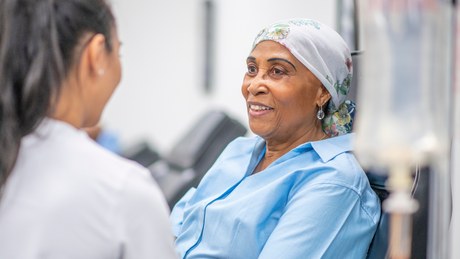
What kinds of cancers are clinical trials trying to treat?
Clinical trials are constantly trying to find new treatments that work for everyone for all sorts of cancers and ailments. Click the below links to find out how clinical trials are working toward treating specific cancers including:
Where do clinical trials even happen?
Clinical trials don't just happen in big cities. They happen at trusted hospitals, clinics, and specialized research centers all over – and the list keeps growing as we work to make cancer clinical trials more accessible to more people.
Click here to learn more about the 4 Ws of clinical trials
Click here to learn more about how clinical trials have evolved and grown
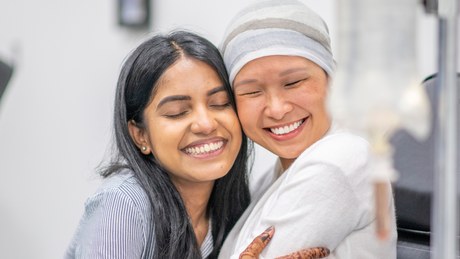
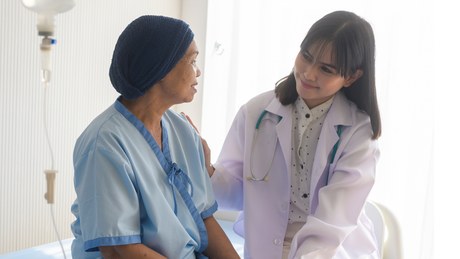
Don't clinical trials involve some patients just getting a placebo?
This is a common misconception – but in cancer clinical trials, no participants only get a placebo. Everyone gets what is called the same "standard of care," which means you will get what medical experts agree is the proper treatment for your specific type of disease. You may then also get the newest drug or a placebo.
I know some of the history of clinical trials - what's changed?
We know trust is earned, especially when it comes to medical research. That's why today's trials are built on transparency and respect, particularly for Black, Indigenous, and People of Color (BIPOC) communities who have ever reason to be cautious. We're committed to open, honest conversations that honor your concerns and unique needs.
Click here to read more about the evolution of clinical trials

Can I afford a clinical trial?
While not all costs are covered, many institutions offer resources to help make it easier for you to participate. Your care team can help you explore what support might be available. And we're constantly working to make trials more inclusive and accessible.
Click here to learn more about clinical trial accessibility
Click here to learn more about clinical trial myths and realities
Time to Talk: Clinical Trials resources are available in multiple languages for ease of access.
Our Sponsors
We are grateful for the support of our sponsors who are making this campaign possible:
Visionary Supporter

Initial Support From

Special Thanks
HOPA would like to thank the following HOPA members and volunteers who helped research, write, and assemble the assets found in this toolkit:
- Shawanna Addison, PharmD
- Najma Ansari, PharmD, RPh
- Daniel Appiah, PharmD, MBA, BCPS, BCOP
- Mollie Beck, PharmD, BCOP
- Jason Bergsbaken, PharmD, MBA, BCOP
- Camille Campbell, PharmD, RPh
- Eric Chow, PharmD, BCOP, MPH
- Stephen Clark, PharmD, BCOP
- Lizeth Garcia-Jennings, PharmD, RPh
- Justin Grahl, PharmD
- Christina Haaf, PharmD, BCOP
- Vincent Harris, PharmD, BCOP
- Caren Hughes, PharmD, BCOP, RPh
- Katharine Kinsman, PharmD, BCOP
- Jaclyn Leland, PharmD, BCOP
- William McSkimming, BS, PharmD, BCOP
- Courtney Morris, PharmD, BCPS
- Jennifer Murphy, PharmD, BCOP
- Noor Naffakh, PharmD, MS, BCOP
- Courtney Patterson, PharmD, MBA, RPh
- Kamakshi Rao, PharmD, BCOP, CPC, FASHP, FHOPA
- Angela Su, PharmD
- Mindy Waggoner, PharmD, BCOP
- Rochelle Williams-Belizaire, MPH, CPH