From Vision to Standard of Care: Implementing DPYD Testing Across Health Systems
Join us for live, virtual learning on Tuesday, August 11, 2026, at 2-3:15 p.m. Central Time and earn 1.25 ACPE credit hours. Learn more below or register now.
Learning Objectives
- Describe key operational components required to implement a pharmacy-led preemptive DPYD testing program within a multisite health system
- Compare preemptive versus reactive pharmacogenomic testing strategies and justify the rationale for mandatory DPYD testing prior to fluoropyrimidine therapy
- Explain how EMR integration and tiered clinical decision support tools (interruptive vs. inline alerts) support safe and scalable application of DPYD results in oncology practice
- Identify strategies to overcome common implementation barriers, including result documentation, reimbursement challenges, clinician hesitancy, and cross-site workflow variation
- Discuss the evolving role of hematology/oncology pharmacists in leading pharmacogenomics services, including education, consultative support, and governance participation
About this course
Recent guideline recommendation changes for DPYD testing represent an opportunity for hematology/oncology pharmacists to lead precision medicine initiatives that improve patient safety and therapeutic outcomes.
This session will highlight real-world experiences from three health systems – Ochsner Health, University of Michigan, and Atrium Health – each describing their unique approaches to designing, implementing, and scaling pharmacogenomics programs, with a shared focus on pre-treatment DPYD testing prior to fluoropyrimidine chemotherapy. Attendees will gain insight into how each health system approached key operational decisions, including testing strategies (preemptive vs. reactive), vendor selection, reimbursement pathways, clinical decision support (CDS) alert design, pharmacist training and certification, governance structures, and scalable workflows across diverse care settings.
This session will provide hematology/oncology pharmacists with a comparative, pragmatic roadmap for integrating DPYD testing into a variety of practice settings.

Presenters

Dr. Gillian Bell joined Ochsner Health as a System Clinical Pharmacogenomics Pharmacist in 2025. She completed her PharmD at the University of Tennessee College of Pharmacy and 2 years of postgraduate training in pharmacy practice and clinical pharmacogenomics at the Memphis VAMC and St. Jude Children's Research Hospital, respectively. After residency, she became a Clinical Pharmacogenetics Scientist at Moffitt Cancer Center in Tampa, FL, where she implemented germline pharmacogenetics as well as interpreted tumor genomic profiling. After leaving Moffitt, she was a Clinical Pharmacist in Personalized Medicine at Mission Health in Asheville, NC, and eventually became Director of Genetics and Personalized Medicine. Prior to joining Ochsner Health, she was the Pharmacogenomics Service Lead at Genome Medical and Assistant Professor of Clinical Education in the Division of Practice Advancement and Clinical Education at UNC Eshelman School of Pharmacy. In addition to her current role, she serves as a member of several national and international working groups focused on implementing pharmacogenomics in clinical care.
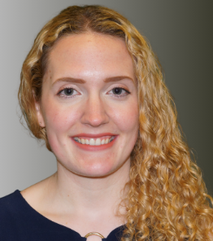
Dr. Serena Mitaly co-leads the Pharmacogenomics Program at Ochsner Health, where she drives the integration of pharmacogenomics into clinical practice. Her work includes developing and implementing clinical decision support tools, interpreting evidence-based guidelines, optimizing operational workflows, and expanding test adoption across a broad range of medical specialties. She actively contributes to several national and international consortia dedicated to advancing the clinical implementation of pharmacogenomics. In addition to her leadership role, Dr. Mitaly provides direct clinical support through patient consultations and provider education, serving as a key resource for pharmacogenomics-related inquiries. She earned her Doctor of Pharmacy (PharmD) from Western New England University, completed her PGY1 pharmacy residency at MedStar Washington Hospital Center, and specialized in Clinical Pharmacogenomics during her PGY2 residency at Mayo Clinic.

Grace Nguyen, PharmD, BCPS, is a clinical pharmacogenomics specialist at Atrium Health Levine Cancer, where she supports the implementation of pharmacogenomics testing and pharmacogenomics clinical decision support tools. Her research focuses on evaluating the impact genotyping on cancer therapy dosing and toxicity outcomes (such as DPYD-fluoropyrimidines, UGT1A1-sacituzumab govitecan) as well as pharmacogenomic panel testing in supportive oncology.
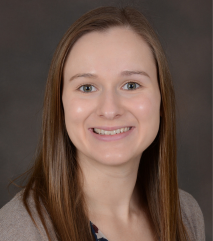
Dr. Amy Pasternak is a Clinical Associate Professor and Clinical Pharmacy Specialist in Pharmacogenetics at the University of Michigan College of Pharmacy. Her research focuses on the discovery and validation of pharmacogenetic associations and evaluating the clinical impact of translating pharmacogenetics into patient care. As a clinical pharmacy specialist, she leads the implementation of pharmacogenetics into clinical workflows across the University of Michigan Health System and works as part of the clinical pharmacogenetics consult service at Michigan Medicine.
Application Course for Pharmacists

HOPA is accredited by the Accreditation Council for Pharmacy Education as a provider of continuing pharmacy education.
To claim ACPE Credits the learner must complete all required activities, including the pre- and post-tests, and course evaluation. CE's will be reported within 1-2 weeks of completion of the credit claim activity.
Technology requirements: HOPA Learn requires a modern web browser (Internet Explorer 7+, Mozilla Firefox, Apple Safari, Google Chrome) and the ability to listen to audio with the content.