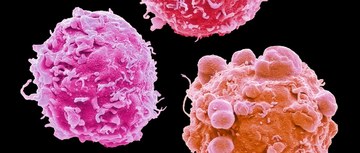
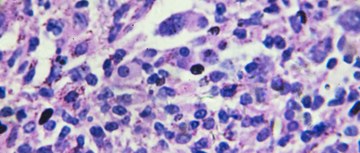
Multiple myeloma (MM) is a malignancy of plasma cells characterized by skeletal destruction, renal failure, hypercalcemia, and anemia. MM contributes up to 10% of all hematologic neoplasms.1 The 5-year relative survival of MM was approximately 62.4% from 2015 to 2021.2
Relapses occur at various stages over the course of the disease owing to its biological heterogeneity. Addressing relapses can be complex and challenging as there are both therapy- and patient-related factors to consider.3 As a result, there is a need for novel therapies for relapsed or refractory multiple myeloma (RRMM). The last decade has seen an explosion of therapies for multiple myeloma. Daratumumab, a CD38-directed cytolytic antibody, serves as a standard backbone in multiple myeloma therapy and is indicated in combination regimens for both newly diagnosed and RRMM patients.4
Teclistamab, a B-cell maturation antigen (BCMA)-directed CD3 T-cell engager, is approved for the treatment of adult patients with RRMM who have received at least four prior lines of therapy, including a proteasome inhibitor, an immunomodulatory agent and an anti-CD38 monoclonal antibody. Based on the MajesTEC-1 trial, at a median follow up of 30.4 months, overall response rate (ORR) was 63%, with 46.1% achieving ≥CR, and 38.9% of patients achieving sustained minimal residual disease (MRD) negativity for ≥ 12 months.5-6 Median progression-free survival (mPFS) and overall survival (mOS) were 11.4 and 22.2 months, respectively.7 Considering these results, could teclistamab be used earlier in the disease course? Could daratumumab’s immune-modulating effects synergize with teclistamab’s T-cell activation, potentially improving both the depth and duration of response?
MajesTEC-3 Trial Summary
The MajesTEC-3 trial is a phase 3, open-label, randomized study comparing subcutaneous teclistamab plus daratumumab (Tec-Dara) versus investigator’s choice of daratumumab-pomalidomide-dexamethasone (DPd) or daratumumab-bortezomib-dexamethasone (DVd) in patients with RRMM after 1-3 prior lines of therapy including a proteasome inhibitor and lenalidomide (if after one line of therapy, patients had to be lenalidomide refractory). After the initial step-up dosing, teclistamab was administered as 1.5 mg/kg weekly for the first two cycles, then 3 mg/kg every other week for four cycles, and finally 3 mg/kg monthly thereafter aligning with daratumumab dosing schedule. The primary objective was mPFS, and key secondary objectives included complete response or better (≥CR), ORR, MRD negativity at threshold of 10-5, patient reported outcomes (PROs) and mOS.
Of the 587 patients who underwent randomization, 291 patients received Tec-Dara. The median age was 64 years, 62.5% patients were ISS stage I, and only 5.3% patients had prior anti-CD38 antibody exposure.
At a median follow-up of 34.5 months, mPFS was not reached with Tec-Dara vs 18.1 months with DPd/DVd (HR 0.17; p<0.001), with 36-month PFS rates of 83.4% vs 29.7% favoring the investigational arm. Tec-Dara significantly improved response depth: overall response rate 89.0% vs 75.3%, ≥CR 81.8% vs 32%, and MRD-negativity 58.4% vs 17.1% (all p<0.001). Overall survival at 36 months was 83.3% vs 65.0% (HR 0.46; p<0.0001), and PFS benefit was consistent across key subgroups (lenalidomide-refractory, high-risk cytogenetics, older age). The regimen demonstrated prolonged time on treatment (median 32.4 vs 16.1 months) and favorable quality-of-life/symptom control metrics (e.g., delayed symptom worsening). Safety was manageable with comparable grade 3/4 treatment-emergent adverse event rates between arms. Cytokine release syndrome (CRS) was seen in 60% of patients primarily during step-up dosing, with 44% being grade 1, and 15.9% being grade 2. Immune effector cell-associated neurotoxicity (ICANS) only occurred in three patients. These results position the bispecific plus anti-CD38 combination as a potential new standard in earlier relapsed MM, delivering deep and durable responses as well as marked survival benefits.8
Clinical Considerations
Pros of Tec-Dara Combination
- Significant Efficacy with Manageable Adverse Effects: Tec-Dara combination showed reduction in progression by 83%, and a plateauing PFS curve after ~ 6 months suggesting potential for functional cure. Almost 86% of patients had a very good partial response or better, compared to 57% in the comparator arm. Most CRS events were seen with the first two step up doses, with no grade 2 events occurring after cycle 1.
- Potential to Change Standard of Care: These results position the combination as a possible new second-line standard treatment, earlier in the disease course than previously studied bispecific regimens. Tec-Dara is also a fully immunotherapy based and dexamethasone sparing regimen (dexamethasone only used during step-up doses in the Tec-Dara arm) compared to other regimens in this line of therapy.
- Ability to Overcome Resistance Mechanisms: A primary challenge to teclistamab efficacy is the "stoichiometric sequestration" of the drug by soluble BCMA (sBCMA). High levels of sBCMA are generated through the proteolytic shedding of the membrane-bound receptor by gamma-secretase activity. This soluble form acts as a potent decoy receptor, binding teclistamab in the peripheral circulation, and preventing it from reaching the membrane-bound targets on the tumor. Tumor debulking can be orchestrated with daratumumab thus helping increase the efficacy of teclistamab. Another mechanism of resistance involves T-cell exhaustion. Tec-Dara mitigates this by remodeling the immunosuppressive tumor microenvironment. A key driver of exhaustion and teclistamab resistance is the expansion of CD38⁺ regulatory T cells (Tregs), which, together with myeloid-derived suppressor cells (MDSCs) and mesenchymal stromal cells (MSCs), suppress cytotoxic T-lymphocyte and natural killer (NK) cell function. Daratumumab depletes CD38⁺ immunosuppressive populations, thereby restoring effector cell activity.9 However, overcoming T cell exhaustion becomes increasingly harder as patients progress through lines of therapy.
Cons of Tec-Dara Combination
- Higher Early Infection Risk: Infections remain a major concern with bispecific agents and this is compounded by the addition of daratumumab.10 The incidence of grade 3-4 infections was 54.1% with Tec-Dara versus 43.4% with DPd or DVd, and fatal infections occurred in 4.6% versus 1.4% of patients.11 Before the implementation of reinforced immune globulin replacement therapy (IgRT) in the MajesTEC-3 trial, there were 12 infection-related deaths in the Tec-Dara arm, of which only 3 patients received at least one IVIG dose. Once IgRT regardless of IgG levels or infection status was implemented, the number of infections decreased to one. Administration of IgRT in all multiple myeloma patients receiving bispecifics has become more standard practice.12 The study did eventually space out teclistamab doses to monthly dosing, which has been shown to help decrease the risk of infections along with prophylactic IVIG.13 The risk of infection is highest within the first 3 months of treatment due to daratumumab, weekly teclistamab administration, and disease burden. Thus, patients are encouraged to be up-to-date on pneumococcal, respiratory syncytial virus, and herpes zoster vaccines prior to initiating treatment.8,13,14 If chronic or recurrent infections become a concern, it might be prudent to switch to a non-BCMA targeting agent.15
- Patient Selection and Generalizability: Patients with prior BCMA-directed therapy or anti-CD38 refractory disease were excluded, meaning results may not generalize to all RRMM populations seen in practice. Real-world patient populations, especially those heavily pretreated or frail, might respond differently than the trial cohort. As more data from ongoing trials such as TRIMM-2 and MajesTEC-2 become available, we may be able to decipher the utility of this regimen in patients within the current treatment landscape.16 Given that MajesTEC-3 population does not largely reflect the current treatment landscape pertaining to upfront anti-CD38 use, MajecTEC-9 aims to shed light on the utility of teclistamab alone in an anti-CD38-exposed population who have received 1-3 prior therapies.17
- Follow-Up and Long-Term Safety: While prolonged follow-up shows sustained benefit, longer and broader real-world data will be needed to fully understand long-term safety and durability beyond the 3-year mark. Additionally, the risk of second primary malignancies (SPM) will need to be ascertained with time since Tec-Dara is associated with numerically higher values for cutaneous and hematological malignancies (total SPM 12.4% vs 8.6% with investigator’s choice).8
Sequencing Of Therapy
If patients have equal access to BCMA CAR-T and teclistamab, CAR-T therapy is preferred over teclistamab in early lines of therapy for better efficacy and to mitigate T cell exhaustion.18 Moreover, if teclistamab is used after prior BCMA exposure, studies have found that an ideal washout period of 8.7 months or greater is associated with better outcomes.19
Teclistamab is beneficial in patients who are frail, 75 years or older, with renal dysfunction (teclistamab has a high molecular weight 146kDA and is non-dialyzable), with prior exposure to BCMA targeted agents, and in the early relapse setting.9,15,20 For patients with extramedullary disease, teclistamab might be more efficacious in combination with talquetamab than with daratumumab.21 Teclistamab might also be most beneficial in patients who have no paraskeletal plasmacytomas, as opposed to true extramedullary disease rising from non-bony lesions.14
Conclusion
Tec-Dara is expected to become a practical treatment option for patients with RRMM, with 81.8% of patients achieving a complete response or higher, and 58% of patients achieving MRD negative status. However, its place in therapy will hinge on patient fitness, prior therapies, logistics (CAR-T access), careful toxicity and infection management, and further data in broader patient groups.11 Trials involving other bispecific antibody combinations are also underway and could shed additional light on the optimal use of such combinations as early as the first relapse.22
References
-
Rajkumar SV. Multiple myeloma: 2024 update on diagnosis, risk-stratification, and management. American Journal of Hematology. 2024;99(9):1802-1824. doi:https://doi.org/10.1002/ajh.27422
-
Khouri J. Epidemiology. Accessed 3/1/2026, 2026. https://www.healio.com/clinical-guidance/multiple-myeloma/epidemiology-overview
-
Bhatt P, Kloock C, Comenzo R. Relapsed/Refractory Multiple Myeloma: A Review of Available Therapies and Clinical Scenarios Encountered in Myeloma Relapse. Curr Oncol. Feb 15 2023;30(2):2322-2347. doi:10.3390/curroncol30020179
-
DARZALEX FASPRO [prescribing information]. Janssen Biotech, Inc. Accessed 3/1/2026, https://www.drugs.com/pro/darzalex-faspro.html
-
TECVAYLI® (teclistamab-cqyv) injection: Prescribing Information. Janssen Biotech, Inc. Accessed 3/1/2026, 2026.
-
Moreau P, Garfall AL, Donk NWCJvd, et al. Teclistamab in Relapsed or Refractory Multiple Myeloma. New England Journal of Medicine. 2022;387(6):495-505. doi:doi:10.1056/NEJMoa2203478
-
Garfall AL, Nooka AK, Donk NWCJvd, et al. Long-term follow-up from the phase 1/2 MajesTEC-1 trial of teclistamab in patients with relapsed/refractory multiple myeloma. Journal of Clinical Oncology. 2024;42(16_suppl):7540-7540. doi:10.1200/JCO.2024.42.16_suppl.7540
-
Costa LJ, Bahlis NJ, Perrot A, et al. Teclistamab plus Daratumumab in Relapsed or Refractory Multiple Myeloma. New England Journal of Medicine. 0(0)doi:doi:10.1056/NEJMoa2514663
-
Piron B, Moreau P, Touzeau C. Teclistamab for Relapsed or Refractory Multiple Myeloma: A Review of Efficacy, Safety, Resistance Mechanisms and Future Directions. Biologics. 2026;20:1-15. doi:10.2147/BTT.S539066
-
Visram A, Mian H, Lee J, et al. OA-20 - Temporal Trends in Infectious Risk Among Multiple Myeloma Patients Treated with Daratumumab: A Meta-Analysis. Clinical Lymphoma Myeloma and Leukemia. 2025/09/01/ 2025;25:S14. doi:https://doi.org/10.1016/S2152-2650(25)03424-X
-
Killock D. MajesTEC results with teclistamab in relapsed and/or refractory multiple myeloma. Nat Rev Clin Oncol. Jan 2 2026;doi:10.1038/s41571-025-01116-9
-
Banerjee R, Mohan M, Rejeski K, et al. Immunoglobulin prophylaxis should be initiated after bispecific antibody therapy in multiple myeloma, regardless of IgG levels. Blood Advances. 2025;9(18):4720-4726. doi:10.1182/bloodadvances.2025016490
-
Smits F, Groen K, Korst C, et al. OA-57 - IVIG and Longer Dosing Intervals Reduce Risk of Infections in Patients with RRMM Treated with Teclistamab. Clinical Lymphoma Myeloma and Leukemia. 2025/09/01/ 2025;25:S38-S39. doi:https://doi.org/10.1016/S2152-2650(25)03461-5
-
Afrough A, Dima D, Razzo B, et al. The impact of extramedullary and paraskeletal plasmacytomas on treatment outcomes in multiple myeloma treated with teclistamab: U.S. Myeloma Immunotherapy Consortium real-world experience. Blood Cancer J. Nov 28 2025;16(1):12. doi:10.1038/s41408-025-01414-6
-
Rodriguez-Otero P, Moreau P, Mateos MV, et al. European Expert Recommendations on Teclistamab Management for Relapsed or Refractory Multiple Myeloma. Clin Lymphoma Myeloma Leuk. Dec 13 2025;doi:10.1016/j.clml.2025.12.003
-
Rodríguez-Otero P, D'Souza A, Reece DE, et al. A novel, immunotherapy-based approach for the treatment of relapsed/refractory multiple myeloma (RRMM): Updated phase 1b results for daratumumab in combination with teclistamab (a BCMA x CD3 bispecific antibody). Journal of Clinical Oncology. 2022;40(16_suppl):8032-8032. doi:10.1200/JCO.2022.40.16_suppl.8032
-
TECVAYLI - MajesTEC-9 Study. Jnjmedicalconnect.com. Published March 18, 2026. Accessed April 6, 2026. https://www.jnjmedicalconnect.com/products/tecvayli/medical-content/tecvayli-majestec-9-study
-
Costa LJ, Banerjee R, Mian H, et al. International myeloma working group immunotherapy committee recommendation on sequencing immunotherapy for treatment of multiple myeloma. Leukemia. 2025/03/01 2025;39(3):543-554. doi:10.1038/s41375-024-02482-6
-
Dima D, Vazquez-Martinez MA, Davis JA, et al. Outcomes of Teclistamab (Tec) in Patients with Relapsed/Refractory Multiple Myeloma (RRMM) with Prior Exposure to BCMA-Directed Therapy (BCMA-DT): A Multicenter Study from the U.S. Multiple Myeloma Immunotherapy Consortium. Blood. 2024;144(Supplement 1):897-897. doi:10.1182/blood-2024-203409
-
Coste A, Godet S, Manier S, et al. Teclistamab in Elderly Patients With Relapsed/Refractory Multiple Myeloma: A Subgroup Analysis of the French RetrosTECtive Cohort. EJHaem. Feb 2026;7(1):e70233. doi:10.1002/jha2.70233
-
Cohen YC, Magen H, Gatt M, et al. Talquetamab plus Teclistamab in Relapsed or Refractory Multiple Myeloma. New England Journal of Medicine. 2025;392(2):138-149. doi:doi:10.1056/NEJMoa2406536
-
Zhou X, Waldschmidt JM, Einsele H. Bispecific antibodies in multiple myeloma: maximizing potential through rational combination therapies. Blood Reviews. 2025/11/01/ 2025;74:101342. doi:https://doi.org/10.1016/j.blre.2025.101342