Optimizing Oncology Stewardship: Inpatient Medication Restriction, Site-of-Care Transitions, and Cost-Containment Strategies
Join us for live, virtual learning on Tuesday, November 11, 2025, at 2-3:15 p.m. Central Time and earn 1.25 ACPE credit hours. Learn more below or register now.
Learning Objectives
- Define the principles of oncology stewardship and the role of pharmacists in guiding formulary optimization, cost containment, and site-of-care transitions
- Recognize evidence-based criteria and policy frameworks to leverage multidisciplinary collaboration and P&T oversight for restricting inpatient oncology medications based on safety, efficacy, value, and care setting
- Design and implement tracking mechanisms and clinical decision support tools within the EHR to monitor restricted medication use, inform P&T decision-makers, and identify re-education opportunities
- Enhance stewardship program outcomes and operational efficiency by identifying cancer-directed therapies and supportive medications appropriate for safe administration in lower-acuity or outpatient settings
About this course
This session will equip clinical pharmacists, pharmacy leaders, and interdisciplinary oncology professionals with the tools to build or enhance oncology stewardship programs focused on medication restriction and transitions to lower-acuity care settings. As oncology therapeutics become increasingly complex and costly, thoughtful formulary management and care delivery optimization are more critical than ever. Participants will explore evidence-based strategies to design inpatient restriction criteria, track and evaluate medication use requests, and identify therapies suitable for ambulatory administration. In addition, the session will address how to leverage the Pharmacy and Therapeutics (P&T) Committee, clinical decision support tools, and the electronic health record (EHR) to improve visibility, safety, and resource stewardship. Case studies will highlight collaborative approaches and outcomes from stewardship initiatives that balance clinical value and financial sustainability across care settings.

Authors

Emilie Aschenbrenner is a Board Certified Oncology Pharmacist who specializes in Malignant Hematology, Blood and Marrow Transplant and Cellular Therapy. She is currently the Hematology Clinical Coordinator for Froedtert and the Medical College of Wisconsin (MCW), and supports the program through the development of institutional guidelines and operational pathways for novel immune therapies. She serves as a lead preceptor for pharmacy residents and is a guest faculty member at the MCW School of Pharmacy.
Emilie earned her Bachelors in Biochemistry from Carroll College, followed by her PharmD at the University of Wisconsin - Madison. She completed residency at Froedtert and MCW, and has practiced there for more than 15 years.
Emilie is actively involved in many institutional and national committees including the Hematology/Oncology Pharmacy Association (HOPA), the American Society for Transplant and Cellular Therapy (ASTCT), and the American Society for Cell and Gene Therapy (ASCGT). She serves on working committees as well as a recent appointment to the Pharmacy Clinical Trials Network (CTN) committee. She is currently involved in partnering with clinical research for bispecific T-cell engagers and cellular therapy including the management of ICANS and HLH-like toxicities.
Her work in both clinical care and research continues to advance the field of oncology pharmacy, with a focus on improving patient outcomes, clinical and operational pathways, as well as mentoring the next generation of future clinicians.
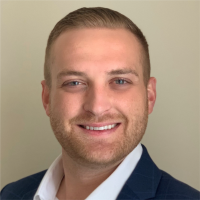
Kevin Krueger is the Director of Pharmacy, Oncology Services at Froedtert and the Medical College of Wisconsin.
He completed his bachelor's degree in chemistry at St. Norbert College in May of 2015 and went on to complete his Doctor of pharmacy and Master of Business Administration at Concordia University Wisconsin in May of 2019. After graduation, Kevin completed his PGY1/PGY2 Health-System Pharmacy Administration and Leadership residency program at Froedtert and the Medical College of Wisconsin. During his residency he completed his Master of Healthcare Administration at the University of Wisconsin - Milwaukee.
After finishing residency at Froedtert, Kevin joined the Massachusetts General Hospital pharmacy team, where he was the pharmacy operations manager of compounding services and PGY2 Health-System Pharmacy Administration and Leadership residency program coordinator.
Later, Kevin rejoined the Froedtert team as the pharmacy operation manager of oncology and infusion services. During this time, Kevin helped lead numerous cleanroom construction projects and provided direct oversight of eight IV cleanrooms at five infusion centers.
During his career, Kevin has continuously maintained his involvement in American Society of Health-System Pharmacists (ASHP) and the Pharmacy Society of Wisconsin (PSW) where he has served as an ASHP Section of Pharmacy Practice Leaders committee member and the PSW Practice Advancement Leadership Team co-chair. Kevin has a deep passion for process improvement, innovative technology, technician career advancement, pharmacy education, and the advancement of pharmacy practice.
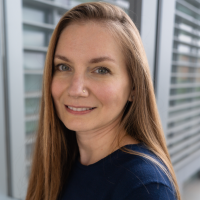
Janine Martino is a blood and marrow transplant and immune effector cell therapy specialist pharmacist at UC San Diego Health.
Dr. Martino is an affiliate faculty member at the UC San Diego Skaggs School of Pharmacy and Pharmaceutical Sciences. She received her PharmD from the University of the Sciences in Philadelphia and completed PGY1 and PGY2 residencies in acute care and hematology/oncology, respectively. With 15 years of pharmacy experience, she has spent 13 years specializing in hem/onc and BMT.
Dr. Martino co-chairs the UC San Diego IRB committee, coordinates the Oncology Pharmacy and Therapeutics Committee, and leads multiple initiatives in chemotherapy stewardship, contributing to the advancement of safe and effective cancer care practices.
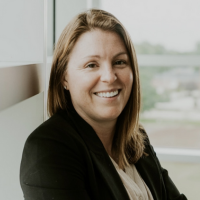
Elizabeth Weil has been practicing for more than 10 years in oncology and has been an oncology clinical coordinator for almost two years. In her current role as solid tumor line coordinator at a large academic institution, the first project Weil was given to tackle was the development of a formal restricted medication guideline and tracking process to continually evaluate requests and improvements. Weil has participated in the development of processes to safely administer HD MTX and bispecific medications to the ambulatory setting. This has improved patients' quality of life, reduced costs for both patients and the healthcare system, and increased the availability of acute care beds for urgent situations.
Application Course for Pharmacists

HOPA is accredited by the Accreditation Council for Pharmacy Education as a provider of continuing pharmacy education.
To claim ACPE Credits the learner must complete all required activities, including the pre- and post-tests, and course evaluation. CE's will be reported within 1-2 weeks of completion of the credit claim activity.
Technology requirements: HOPA Learn requires a modern web browser (Internet Explorer 7+, Mozilla Firefox, Apple Safari, Google Chrome) and the ability to listen to audio with the content.