Bridging the Gap: Managing Transitions of Care for Complex Therapies
Join us for live, virtual learning on Tuesday, March 3, 2026, at 2-3:25 p.m. Central Time and earn 1.25 ACPE credit hours. Learn more below or register now.
Learning Objectives
- Identify barriers and solutions to integrating complex therapies into clinical practice
- Explain opportunities for the coordination of care between academic and community practices
- Outline the opportunities for community practice to integrate complex cancer therapies into their practice
- Summarize the role of the pharmacist in the coordination of care of complex therapies including establishing protocols for safe administration
- Evaluate case-based examples of transitions of care models and their impact on patient safety, adherence, and clinical outcomes
About this course
As the lines between inpatient and outpatient treatments, academic and community settings, and home therapy continue to blur, the role of the pharmacist becomes increasingly vital in coordinating care. This moderated panel discussion will focus on the coordination of care for complex cancer treatments, including bispecific, cellular, and gene therapies. Featuring an inpatient pharmacist, an academic ambulatory pharmacist, and a community infusion center pharmacist, the panel will explore the unique challenges and opportunities at each site.
Additionally, the discussion will highlight how emerging technologies, such as remote monitoring and home infusion capabilities, are shaping the future of oncology care. Through enhanced collaboration and innovative solutions, pharmacists can help reduce cancer disparities, improve patient experiences, and optimize treatment outcomes.

Presenters
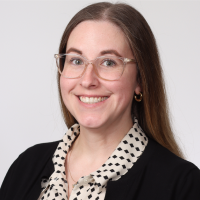
Amanda Pawlenty is the Senior Clinical Manager of the inpatient hematology, oncology, BMT pharmacy practice at Mayo Clinic. She went to pharmacy school at Creighton University, completed her PGY1 Residency at Froedtert Hospital in Milwaukee, and her PGY2 Oncology Residency at Wake Forest in North Carolina. After her PGY2, she came to Mayo Clinic, where she's been practicing for more than 10 years, most recently focusing on the growth of the CAR-T, TIL, and bispecific inpatient practices in her role as Senior Clinical Manager.
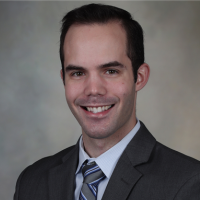
Grant Perschke is an ambulatory oncology pharmacist at a community cancer center within the Mayo Clinic Health System. Grant has expanded pharmacy services as the first ambulatory oncology pharmacist at Mayo Clinic Health System - La Crosse. He has developed and implemented a pharmacist-driven monitoring program for patients receiving bispecific antibodies and oral antineoplastic medications. Grant has also established a drug repository at his facility to increase access to medications for financially underserved patients.
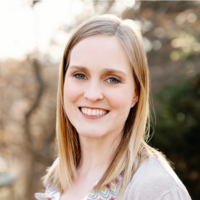
Tyler Sandahl is a board-certified oncology pharmacist who works as a clinical specialist and instructor of pharmacy in the multiple myeloma clinic at the Mayo Clinic in Rochester, MN. She trained at the University of Iowa College of Pharmacy, Iowa City VA Healthcare System, and University of Utah Huntsman Cancer Hospital. Her areas of interest include plasma cell disorders, cellular therapies, and improving access to care for patients.
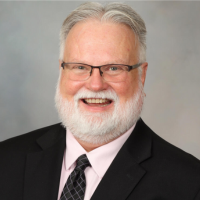
Scott Soefje is the Director of Pharmacy, Cancer Care and an Associate Professor of Pharmacy at the Mayo Clinic in Rochester, MN, where he oversees the cancer care service line for the pharmacy. He earned pharmacy degrees from the University of Texas at Austin and an MBA from the George Washington University. He completed a Specialty Residency in Oncology Pharmacy at the San Antonio VA and a Clinical Pharmacology Fellowship at MD Anderson Cancer Center. He is Board Certified in Oncology Pharmacy, a Past President of HOPA, and recognized as a Fellow of ACCP and HOPA. He has a breadth of cancer care pharmacy experience from academia to clinical practice to industry to cancer care administration.
Knowledge Course for Pharmacists
HOPA is accredited by the Accreditation Council for Pharmacy Education as a provider of continuing pharmacy education.
To claim ACPE Credits the learner must complete all required activities, including the pre- and post-tests, and course evaluation. CE's will be reported within 1-2 weeks of completion of the credit claim activity.
Technology requirements: HOPA Learn requires a modern web browser (Internet Explorer 7+, Mozilla Firefox, Apple Safari, Google Chrome) and the ability to listen to audio with the content.